Dr. Rebecca Pillai Riddell, CPsych, FCAHS
Nominated Principal Investigator, DIVERT Mental Health | Professor, Psychology, York University | Tier 1 York Research Chair in Pain and Mental Health
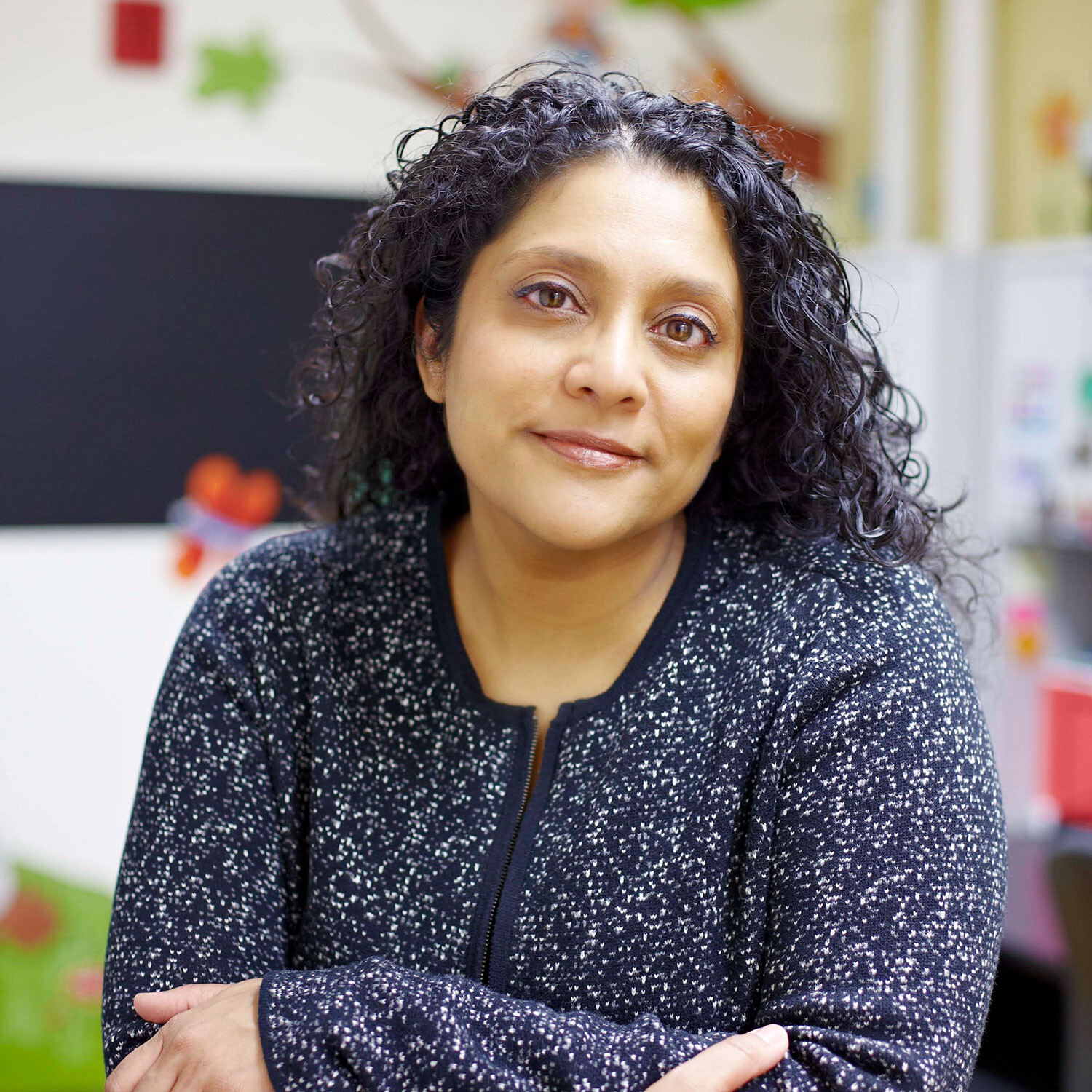
Dr. Pillai Riddell is the Tier 1 York Research Chair in Pain and Mental Health and Director of the Opportunities to Understand Childhood Hurt Laboratory (OUCH Lab) in the Department of Psychology at York University in Toronto, Ontario, Canada. She is also a registered clinical psychologist, licensed to work with children and adults in clinical and health psychology. As both a basic-behavioural scientist and a clinician-scientist, Dr. Pillai Riddell currently leads a multi-national, multi-million-dollar research program that studies preterm infants and their parents in Neonatal Intensive Care Units. Her research programs ultimately seek to advance a transdimensional understanding of infant pain (cortical, cardiac, behavioural, and social) and support applications of this understanding for real clinical practice. Her research is funded by all three national Canadian research councils (Canadian Institutes of Health Research, Natural Sciences and Engineering Research Council, Social Sciences and Humanities Research Council). She has also been involved extensively in supporting EDI initiatives in research contexts at both the institutional and federal levels. She is the founding director of the POLARIS training collaboration to teach academics how to adjudicate faculty for awards and jobs inclusively and is the Nominated Principal Investigator for DIVERT Mental Health.
Beverly Keeshig-Soonias
Registered Psychologist | Elder and Past Chair, Indigenous Peoples’ Psychology Section
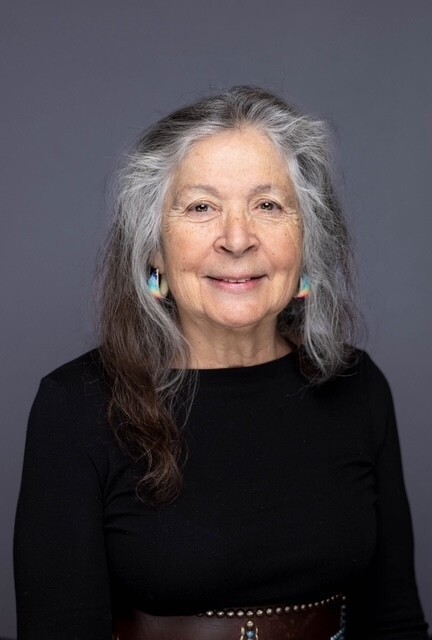
Beverly Keeshig-Soonias is anishinaabekwe. Her community of origin is Neyaashiinigmiing. She is a registered psychologist in Alberta. She has a Law Degree from the University of Saskatchewan and a Master’s Degree in Family Therapy from Loma Linda University. Indigenous principles, with kindness and humour, are her gifts when serving Indigenous children, adolescents, and families.
Beverly is currently serving as an elder with the Indigenous Peoples Section of the Canadian Psychological Association.
Dr. Christopher Mushquash
CRC Professor, Lakehead & NOSM University | Chief Operating Officer | Chief Scientist

Dr. Christopher Mushquash is a registered clinical psychologist (Ontario), Full Professor in the Department of Psychology at Lakehead University and the Northern Ontario School of Medicine University, Clinical Psychologist at Dilico Anishinabek Family Care, Vice President Research at the Thunder Bay Regional Health Sciences Centre, and Chief Operating Officer & Chief Scientist at the Thunder Bay Regional Health Research Institute. He is a Tier 1 Canada Research Chair in Indigenous Mental Health and Addiction, with expertise in rural and northern clinical practice and the development of culturally appropriate interventions for mental health and addiction difficulties in First Nations children, adolescents, and adults. He is Anishinawbe (Ojibway) and a member of Pawgwasheeng (Pays Plat First Nation).
Dr. Mushquash has published more than 130 peer-reviewed articles, as well as 8 peer-reviewed book chapters, and 68 other reports, letters, and non-peer-reviewed publications. His research involves large team collaborations and partnerships with multiple research stakeholders, including community-based, government, and academic partners. His research brings together mainstream and Indigenous methods, and he is a generous volunteer who frequently meets with First Nations communities, organizations, and students to discuss mental health and addiction. As a frequently invited speaker locally and nationally, he has given over 350 presentations and workshops to a wide variety of groups in areas of Indigenous mental health and addiction. Dr. Mushquash is a Fellow of the Royal Society of Canada.
Dr. Gina Dimitropoulos
PhD, MSW, RSW, FAED | Professor, Faculty of Social Work & UCalgary | Research Excellence Chair in System-level Interventions for Equitable & Accessible Youth Mental Health Services, University of Calgary
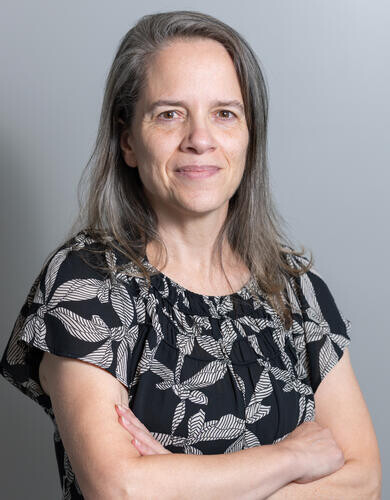
Dr. Gina Dimitropoulos, PhD, MSW, RSW, FAED is a Professor in the Faculty of Social Work at the University of Calgary and is cross-appointed with the Departments of Psychiatry and Pediatrics. She holds the inaugural UCalgary Research Excellence Chair in System-Level Interventions for Equitable & Accessible Youth Mental Health Services and is a member of the College of New Scholars, Artists, and Scientists at the Royal Society of Canada. She is an award-winning clinician, researcher, and educator who is internationally renowned for her innovative research in Integrated Youth Services (IYS), transitions in care, eating disorders, peer support, and youth mental health system transformation.
Maureen Plante
PhD Candidate, University of Alberta

Maureen is a Cree/Métis doctoral candidate, born and raised in a small Cree/Métis community in Alberta. She is in the Counselling Psychology program at the University of Alberta, and her primary research focuses on eating disorders, disordered eating, and body image among Indigenous women. She completed her Bachelor of Arts (honours in psychology) at MacEwan University and her Master of Science in counselling psychology at the University of Alberta. Her Master’s work explored Indigenous therapists’ perspectives on eating disorders. Her doctoral work explores the facilitators of healing and barriers that Cree and Métis women and girls experienced with eating disorders and disordered eating. She has been involved in projects involving emerging adults with eating disorders, including care transition and policy research on eating disorders, and has worked extensively with a local non-profit organization in community participatory research, specifically in the area of sexual violence.
Dr. Shelley L. Craig
PhD, RSW, LCSW | Professor, University of Toronto | Canada Research Chair in Sexual and Gender Minority Youth

Dr. Shelley L. Craig (she/her) is a Full Professor at the Factor-Inwentash Faculty of Social Work (FIFSW) at the University of Toronto and Canada Research Chair in Sexual and Gender Diverse Youth (SGDY). Shelley’s research program, grounded in twenty-five years of community and clinical practice, focuses on developing affirmative programs and clinical interventions to build SGMY resilience, exploring the role of digital technologies in youth mental health, and building social work competencies.
She has developed and tested the first evidence-informed and affirmative interventions for SGDY mental health, such as AFFIRMative Caregiver (for parents and caregivers of SGDY), AFFIRM Pro (peer-led organizational training), as well as AFFIRM Youth and AFFIRM Adult (affirmative cognitive-behavioural group intervention), which have been translated into multiple languages and implemented across the globe.
Dr. Craig is an award-winning trainer and mentor, has published over 175 academic papers, has served as principal investigator on over 39 studies, created INQYR (International Partnership for Queer Youth Resilience), an international partnership of over 200 SGD academics, emerging scholars and communities. She has also been a consistent community leader, serving on many Boards of Directors, such as the Ontario Association of Social Work (OASW), Parents, Families and Friends of Lesbians and Gays (PFLAG) and as the Co-Chair of WorldPride Toronto. She is the author of the new Oxford book, The Nuts and Bolts of Affirmative Cognitive Behavioral Therapy with Sexual and Gender Diverse Populations.
Dr. Patricia Lingley-Pottie
President, CEO & Co-founder, Strongest Families Institute | Assistant Professor, Dalhousie University | Scientist, IWK Health Centre
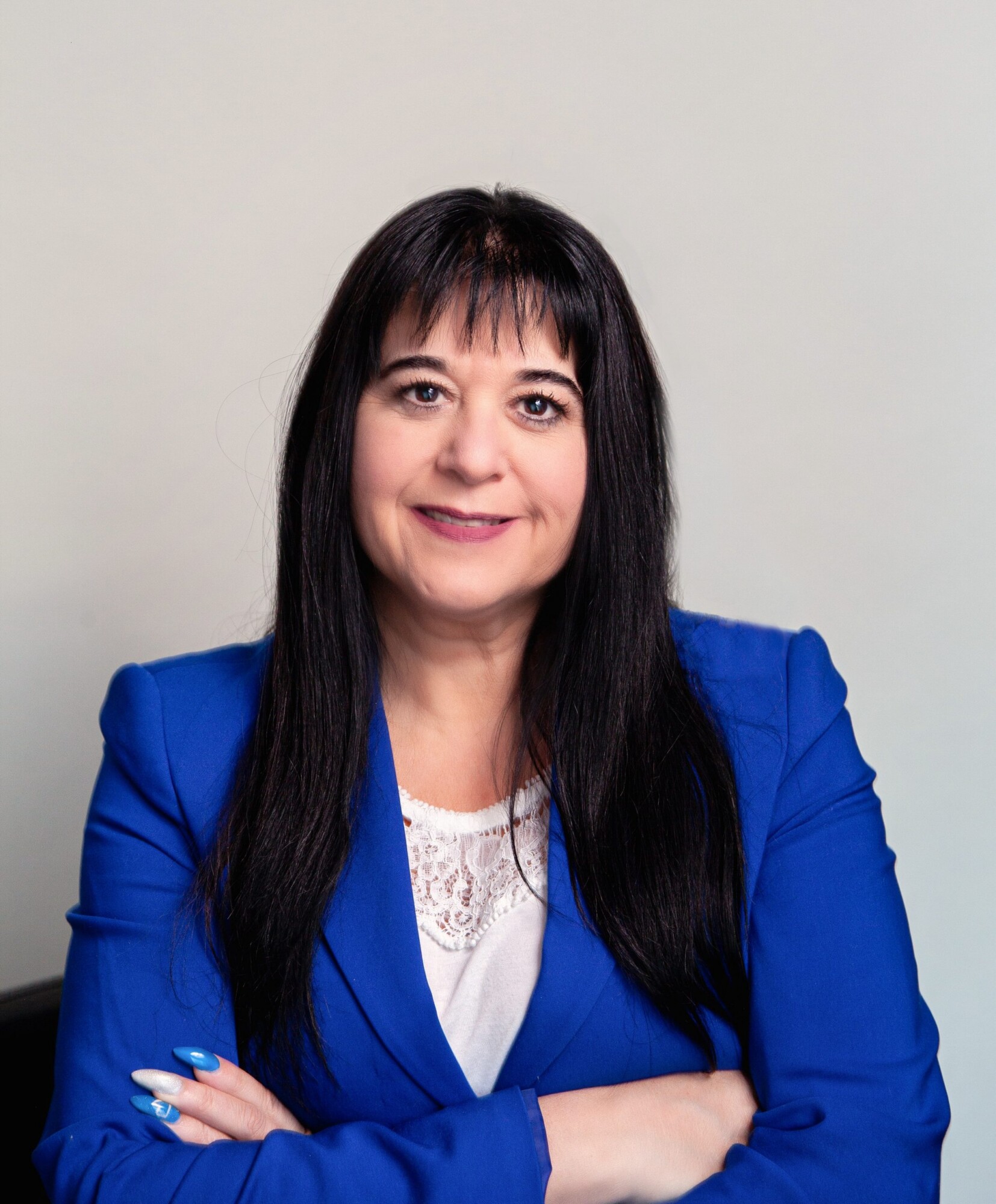
Dr. Patricia Lingley-Pottie is co-founder of the Strongest Families Institute (SFI) and SFI’s proprietary digital health platform, IRIS. She is President and CEO of SFI, Assistant Professor in the Department of Psychiatry at Dalhousie University and a Scientist at the IWK Health Centre. Dr. Pottie has more than 30 years of pediatric nursing experience with expertise in research methods, scale development and the conduct of randomized clinical trials. The past 20 years have been focused on psychological research, specifically harnessing the advantages of technology to deliver accessible and timely distance, evidence-based interventions to children, youth, adults and families. Dr. Pottie has published 32 articles and editorials. As the leader of SFI and IRIS, Dr. Pottie has scaled SFI services successfully within Canada and in some regions internationally. She is the recipient of the Digital Health Canada 2020 Women Leaders In Digital Health Award, CAMIMH (Champions of Mental Health Award) 2019, Atlantic Canada Top 50 CEO 2018, and the co-recipient of the 2017 Governor General Innovation Award of Canada and the 2013 Ernest C. Manning Principal Encana Award for Social Innovation. Under her leadership, Strongest Families Institute has also received the 2012 Mental Health Commission of Canada Award for Social Innovation.
Dr. Quynh Doan
PhD, MDCM| Senior Executive Director | BC Children’s Hospital Research Institute
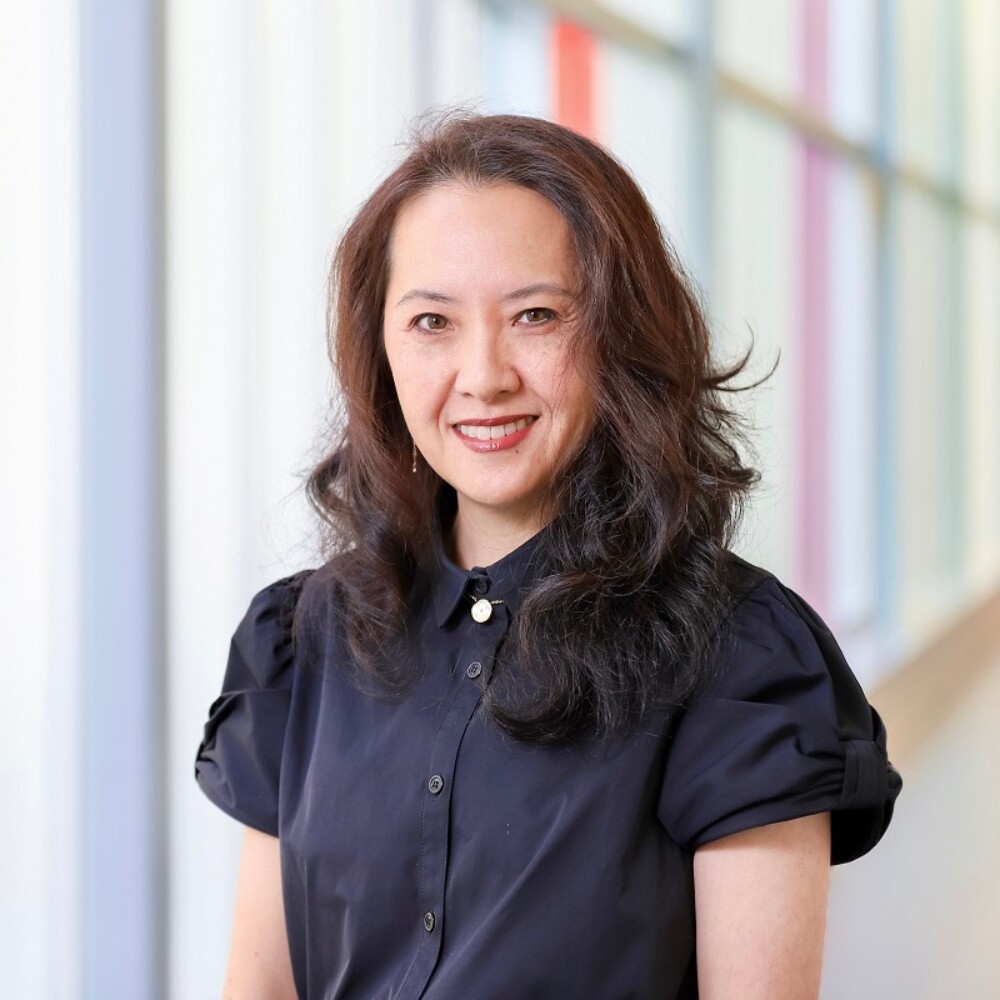
Dr. Doan’s research program comprises projects evaluating pediatric emergency department patterns of use, the quality of the care provided, and the efficiency of service delivery. She aims to answer questions pertaining to the population’s need for pediatric emergency care, how well the health-care system is equipped to meet this need, and how we can maintain or improve the quality and value of the care provided to children and families seeking help in emergency settings.
As a member of Pediatric Emergency Research Canada (PERC), Dr. Doan is the BC Children’s site investigator for many PERC multi-center studies. She is also the PERC representative.
Maureen Abbott
Director, Innovation, Mental Health Commission of Canada
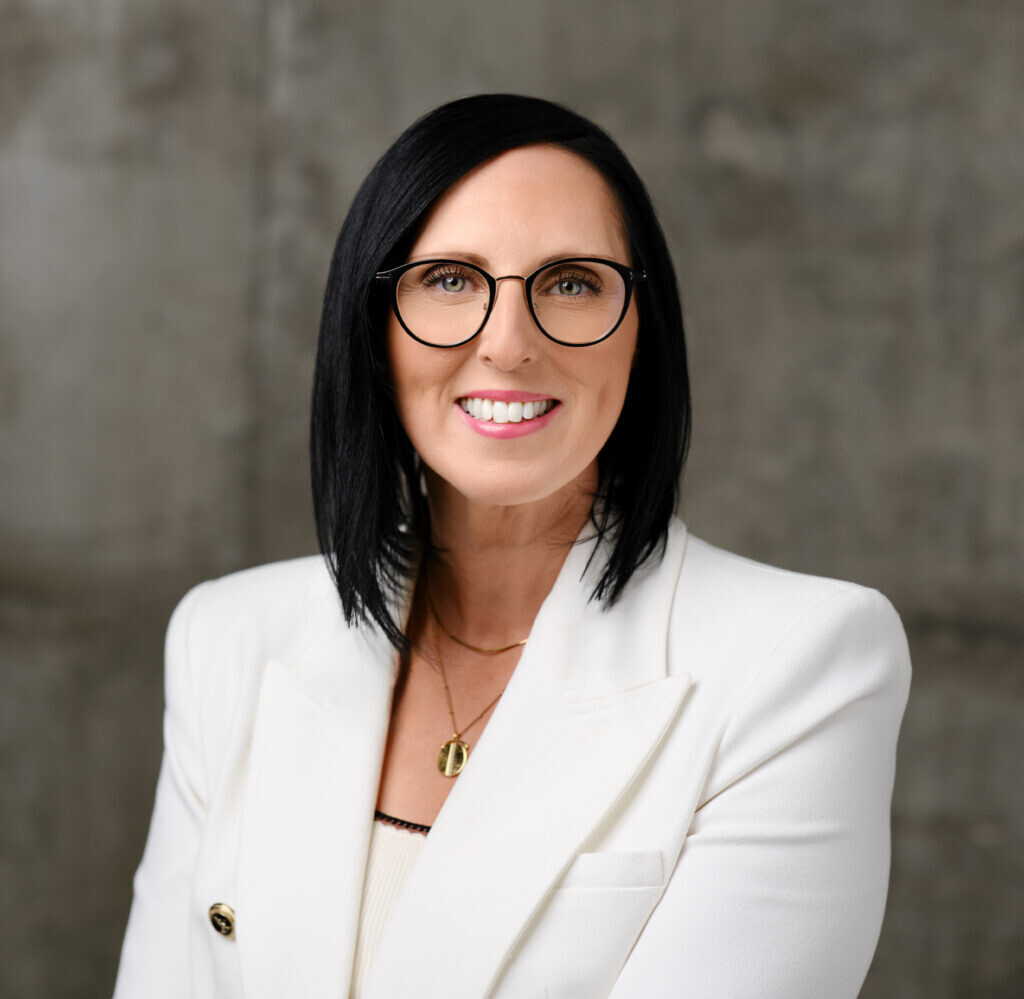
Maureen Abbott is a Master’s-educated Director and Certified Health Executive (Canadian College of Health Leaders) with the Innovation team at the Mental Health Commission of Canada (MHCC). Her work focuses on policy, research, and e-mental health. She bridges people, systems, and technology to develop and implement evidence-informed tools, resources and strategies to improve mental health and substance use health outcomes across Canada. Maureen works closely with the lived experience councils at the MHCC and is the Chair of the MHCC’s E-Mental Health Collaborative. Maureen has extensive experience with the not-for-profit health sector and has a background in standards and accreditation. Maureen led the development of national and international networks and is experienced with operations, strategic planning, and quality improvement. Maureen is a CHIEF Executive member with Digital Health Canada.
Michael Cooper
VP of Data & Partnerships, Mental Health Research Canada
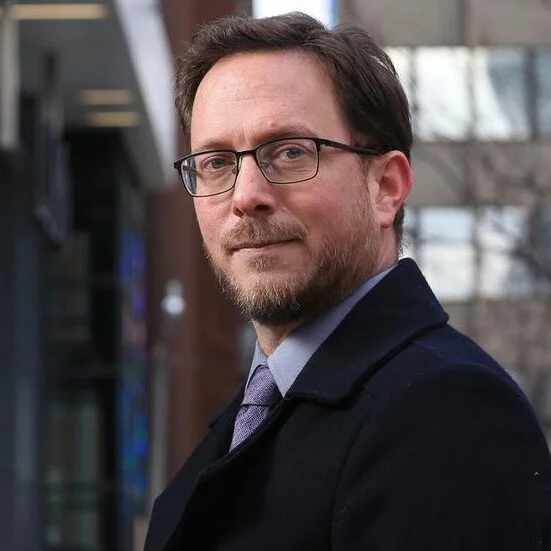
Michael Cooper is an experienced charity executive with over 16 years of experience in fund development, project management and government relations. He began his career working with senior political leaders in Ottawa before transitioning into the charitable world, which led to successful roles at Futurepreneur, Operation Springboard, The Learning Partnership, Omega Foundation and Diabetes Canada. He spent several years working in management consulting; at one firm, he led numerous projects involving First Nations communities across Canada.
Michael advocates for improving our understanding in detecting, treating and managing mental health issues. He has a strong focus on the utilization of data to inform policy and advance mental health care in Canada and currently oversees MHRC’s large-scale data project tracking the ongoing mental health of Canadians.
Dr. Amy Porath
Ph.D, CHE, Director, Research & Knowledge Mobilization, Knowledge Institute on Child and Youth Mental Health and Addictions
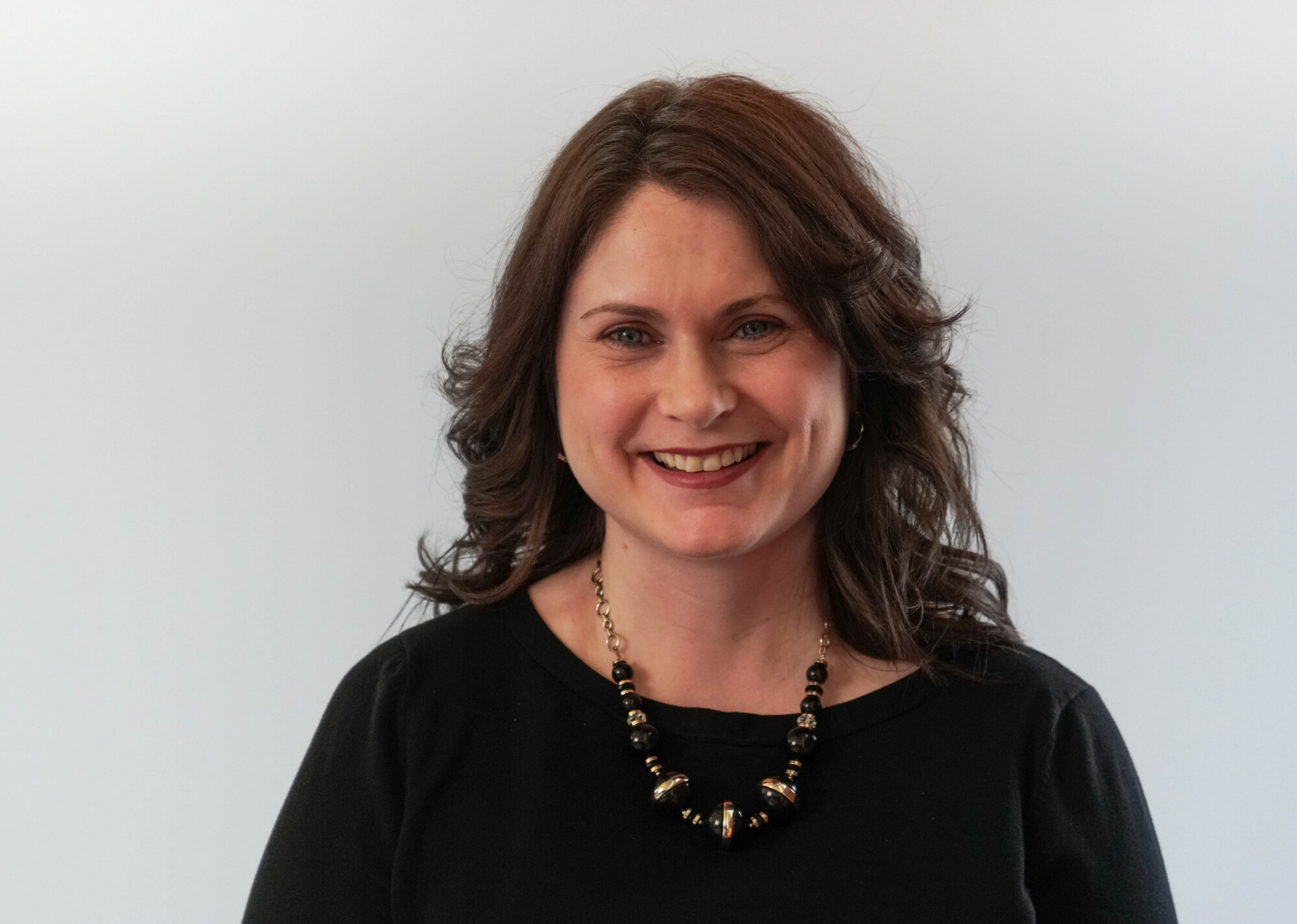
Dr. Amy Porath (PhD, CHE) is the Director of Research and Knowledge Mobilization at the Knowledge Institute on Child and Youth Mental Health and Addictions. Committed to driving high-quality healthcare, Amy is a trusted advisor dedicated to system transformation in the mental health and substance use health sector and contributes her expertise to inform policy, practice, programs and quality standards. She also serves as an Adjunct Professor in the School of Psychology at the University of Ottawa, is an Investigator at the CHEO Research Institute, and is a Director of the Allied Boards of Directors of the Mississippi River Health Alliance.
An alumna of the University of Ottawa and Carleton University, Amy is an internationally recognized expert in substance use health research and knowledge mobilization. With more than 22 years of experience, government officials, NGOs, top-tier media, and communities regularly seek her expertise. Her strategic leadership in providing evidence to help people living in Canada make informed decisions about cannabis earned her a spot on Canada’s Top 100 Health Influencers list in 2019 and 2020.
Dr. Emma Duerden
Ph.D., Associate Professor, Western University | Tier 2 CIHR CRC in Neuroscience and Learning Disorders – Applied Psychology

Emma Duerden, PhD, is a Canada Research Chair in Neuroscience and Learning Disorders. She is an Assistant Professor in Applied Psychology in the Faculty of Education and a member of the Brain & Mind Institute at Western University, Canada. She is also a Scientist in the Maternal, Fetal and Newborn Health Division at the Children’s Health Research Institute.
Her research program focuses on the impact of early adversity on cognitive ability starting early in fetal life as well as infants and school-aged children with autism spectrum disorder or who are born very preterm. The goal of her research program is to identify risk factors for early adversity as well as factors that promote resilience to early life stress, healthy brain development and academic achievement in children.
Dr. Jacquie Maloney (they/them)
Ph.D., Health Promotion Specialist, BC Children’s Health Bridge
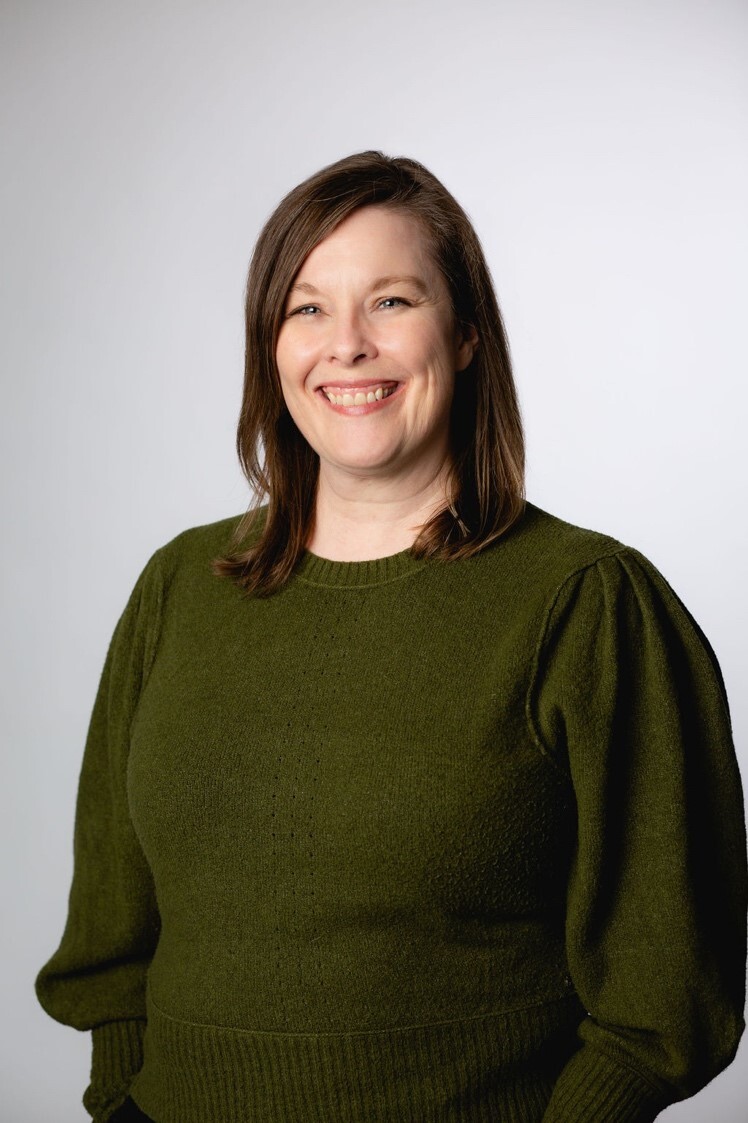
Dr. Jacquie Maloney, PhD, is a Health Promotion Specialist with the BC Children’s Health Bridge program. Health Bridge is a knowledge mobilization program led by BC Children’s Hospital in partnership with BC Children’s Hospital Research Institute and Child Health BC. It was designed to break down silos and address the health information needs of children, youth and families. The Health Bridge team engages directly with families and youth across BC to understand what health topics are most important, and how families prefer to receive information. All our knowledge translation products are co-designed with youth and families.
Dr. Maloney is currently collaborating with the BC Ministry of Health on the development of Provincial Screen Use Guidelines for Parents and Caregivers together with a provincial advisory of subject matter experts, and family and youth advisors from across BC. The guidelines are based on the best available evidence of how screen use may impact children and youth. Dr. Maloney holds a PhD in Human Development, Learning and Culture from the University of British Columbia. They also completed a post-doctoral fellowship in Health Sciences at Simon Fraser University. They have been working in population and public health for more than a decade. Prior to this, Dr. Maloney worked as an educator and on health promotion in schools.
Dr. Jay Shaw
PT | Ph.D. | Tier 2 Canada Research Chair, Responsible Health Innovation | Assistant Professor, University of Toronto

Jay Shaw is the Tier 2 Canada Research Chair in Responsible Health Innovation and an Assistant Professor in the Department of Physical Therapy at University of Toronto. He serves as Research Director of Artificial Intelligence (AI), Ethics & Health at the University of Toronto Joint Centre for Bioethics, an appointment in the Department of Physical Therapy, and is adjunct Scientist at the Women’s College Hospital Institute for Health System Solutions and Virtual Care. He practiced as a physical therapist in community-based care prior to completing his PhD in 2012.
Jay’s program of research addresses the implementation and ethical implications of innovations in health care, with a special focus on innovative models of community-focused integrated care, digital health technologies, and applications of AI in health care. His research leverages qualitative social science approaches, and draws on theory from organization studies and science & technology studies. Jay partners closely with community members and health system stakeholders to ensure his research is practically relevant, and his work informs the ethical design of health system innovations that advance social justice in aging, public health and health care.