
Description
**This session will be live interpreted from English to French.**
Eating disorders are serious, clinically complex mental illnesses with substantial consequences for health, functioning, and quality of life. They affect people across the lifespan and across body sizes, racial and ethnic identities, cultures, genders, socioeconomic circumstances, and communities. Yet inequities in whose eating disorders are recognized, understood, researched, and treated persist. In this presentation, we will look beyond dominant understandings of eating disorders to explore inequities across the care continuum, from awareness and recognition to assessment, treatment, and recovery. We will consider how body size and weight stigma, race and ethnicity, Indigeneity, culture and migration, socioeconomic circumstances and food insecurity, age, gender identity and sexual orientation, neurodivergence, disability and chronic illness, geography, religion, family and caregiving circumstances, and co-occurring mental health concerns can shape experiences of eating disorders and care. We will also consider how these intersecting identities and social and structural conditions can create distinct experiences and barriers. We will take a closer look at weight stigma as one example of how inequity can become embedded in eating disorder recognition and treatment, including through weight-based assumptions, diet culture, weight-management practices, and an evolving treatment landscape. Rather than locating disparities within individuals or communities, we will critically examine the assumptions, structures, research practices, and models of care that may contribute to inequitable experiences and outcomes. Our goal is to make visible some of the inequities within the eating disorder field and invite reflection on what more equitable research and care could look like. We hope participants leave with new questions, ideas, and opportunities to contribute to change across eating disorders and mental health research and practice.
“To access this session live, go to DIVERT Mental Health’s Learning Management Platform. Login credentials are required. To obtain login credentials, register with DIVERT Mental Health as an Associate Fellow. If you have credentials but have forgotten your password, click here to reset your password. If you require further assistance to access this event, please email divert@yorku.ca.”
-
Gina Dimitropoulos, PhD, MSW, RSW, FAED - Professor, Faculty of Social Work & UCalgary Research Excellence Chair in System-level Interventions for Equitable & Accessible Youth Mental Health Services, University of Calgary
-
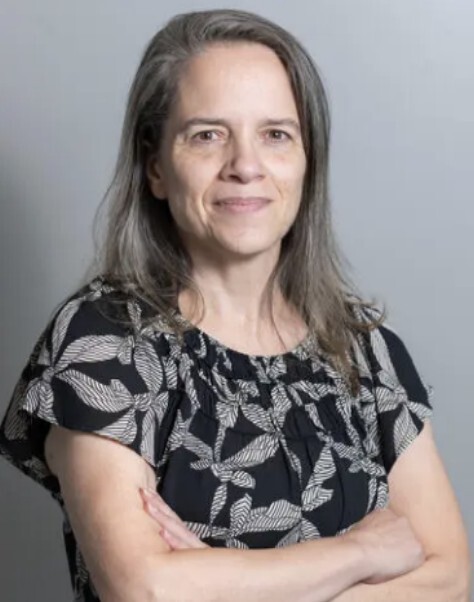
Maria Nicula, PhD - Postdoctoral Fellow, Faculty of Social Work, University of Calgary

Event Details
- Date October 9, 2026
- Start Time 00:00
- End Time 00:00
- Location Online Event