
Description
PTSD occurs following a life-threatening trauma and results in widespread psychological symptoms. The gold standard clinical treatments for PTSD are trauma -care and include Prolonged Exposure, Narrative Exposure Therapy, Cognitive Processing Therapy and Eye Movement Desensitization and Reprocessing delivered by highly trained professionals. They work reasonably well; e.g. between 47% and 67% are no longer diagnosed with PTSD following treatment. Left untreated, PTSD can spontaneously remit but often persists for decades with major effects on academic, personal and work aspects of life.
Most people with PTSD do not get clinical treatment because of the unavailability of treatment in the public system, cost of travel or time from work, high costs of private care, and stigma and avoidance.
Youth, e.g. aged 15-25, are the most likely age group to develop PTSD. Immigrants affected by war and refugees, racial and sexual minorities are also at high risk. Women have a much higher rate of PTSD than men.
We will discuss alternative ways of delivering “clinical” care, e.g. virtually, with non-professional coaches and new types of clinical care, e.g., precision breathing. We will also discuss a public health approach to intervention with PTSD.
To access this session live, go to DIVERT Mental Health’s Learning Management Platform. Login credentials are required. To obtain login credentials, register with DIVERT Mental Health as an Associate Fellow. If you have credentials but have forgotten your password, click here to reset your password. If you require further assistance to access this event, please email divert@yorku.ca
-
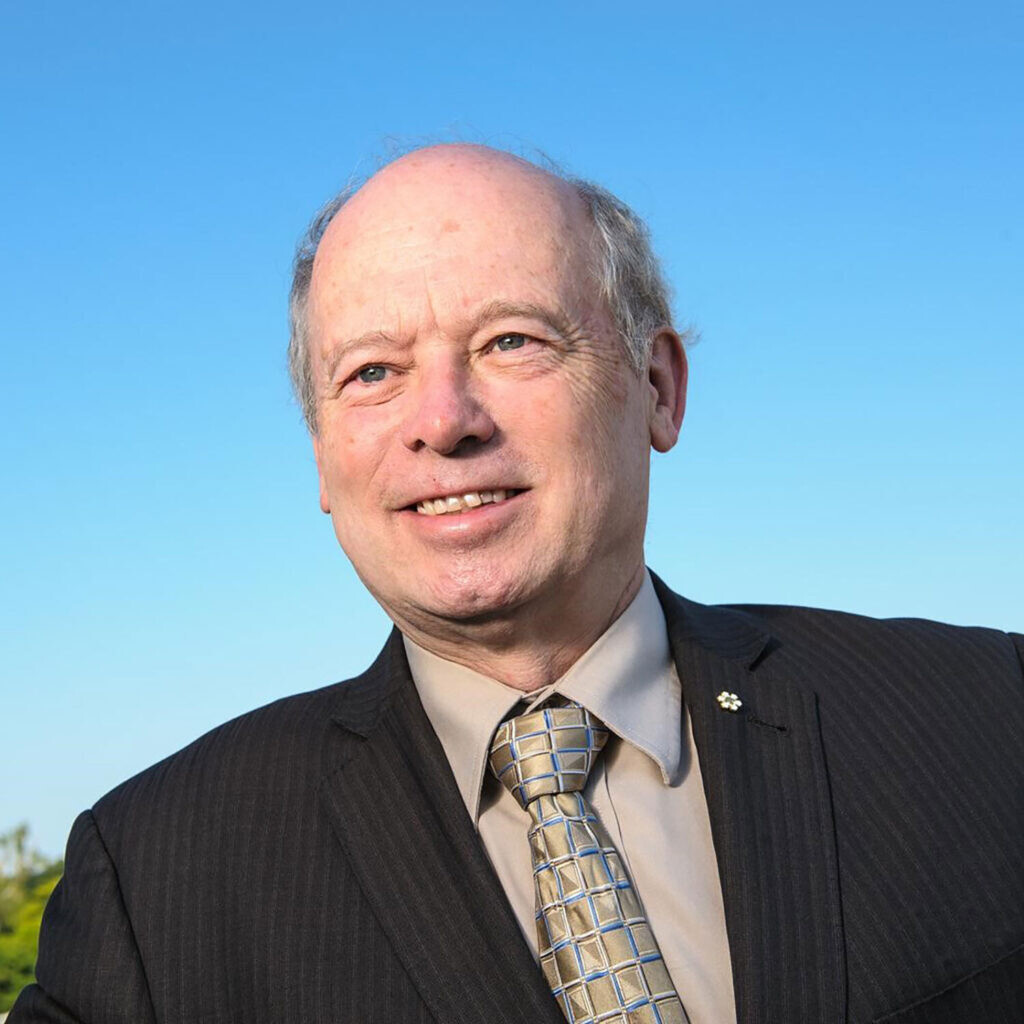
Patrick McGrath OC, PhD, FRSC, FCAHS
Event Details
- Date September 16, 2026
- Start Time 12:00
- End Time 13:00
- Location Online Event